СинÑакÑиÑ
ÐÑÐ½Ð¾Ð²Ð½Ð°Ñ Ð·Ð°Ð´Ð°Ñа ÐаÑкаднÑÑ Ð¡Ñилей â ÑÑо ÑаÑÑказаÑÑ Ð´Ð²Ð¸Ð¶ÐºÑ Ð±ÑаÑзеÑа, как оÑÑиÑоваÑÑ ÑлеменÑÑ ÑÑÑаниÑÑ â каким ÑвеÑом, как позиÑиониÑоваÑÑ Ð¸Ñ Ð½Ð° ÑÑÑаниÑе, как ÑкÑаÑаÑÑ, и Ñак далее. СинÑакÑÐ¸Ñ CSS поÑÑÑоен ÑледÑÑ ÑÑой идее, и ÑоÑÑÐ¾Ð¸Ñ Ð¸Ð· ÑледÑÑÑÐ¸Ñ Ð¾ÑновнÑÑ Ð±Ð»Ð¾ÐºÐ¾Ð²:
- СвойÑÑво (property) â иденÑиÑикаÑÐ¾Ñ Ð´ÐµÐ¹ÑÑвиÑ, коÑоÑое бÑÐ´ÐµÑ Ð¿Ñименено к ÑлеменÑÑ (напÑимеÑ, ÑвеÑ, или ÑÐ°Ð·Ð¼ÐµÑ Ð³ÑаниÑÑ, и Ñ.д.).
- ÐнаÑение (value) â опиÑÑваеÑ, как именно ÑвойÑÑво бÑÐ´ÐµÑ Ð¾Ð±ÑабоÑано бÑаÑзеÑом. Ðаждое ÑвойÑÑво Ð¸Ð¼ÐµÐµÑ Ð½Ð°Ð±Ð¾Ñ Ð´Ð¾Ð¿ÑÑÑимÑÑ Ð·Ð½Ð°Ñений, опÑеделÑннÑÑ ÑоÑмалÑнÑми пÑавилами, а Ñакже ÑеманÑиÑеÑкий ÑмÑÑл, ÑеализованнÑй движком бÑаÑзеÑа.
ÐбÑÑÐ²Ð»ÐµÐ½Ð¸Ñ CSS
Ðадание CSS-ÑвойÑÑвам опÑеделÑннÑÑ Ð·Ð½Ð°Ñений â ÑÑо оÑÐ½Ð¾Ð²Ð½Ð°Ñ ÑÑнкÑÐ¸Ñ CSS. ÐаÑа ÑвойÑÑво-знаÑение назÑваеÑÑÑ Ð¾Ð±ÑÑвлением. РабоÑа CSS движка заклÑÑаеÑÑÑ Ð² поиÑке ÑооÑвеÑÑÑвий Ð¼ÐµÐ¶Ð´Ñ Ð¾Ð±ÑÑвлениÑми ÑÑилей и ÑлеменÑом на ÑÑÑаниÑе, ÑÑÐ¾Ð±Ñ Ð¿ÑавилÑно оÑобÑазиÑÑ Ð¸ ÑоÑмаÑиÑоваÑÑ ÑÑÐ¾Ñ ÑлеменÑ.
Ð ÑвойÑÑво, и знаÑÐµÐ½Ð¸Ñ ÑегиÑÑÑозавиÑимÑ. ÐаÑа ÑвойÑÑво-знаÑение ÑазделÑеÑÑÑ Ð´Ð²Ð¾ÐµÑоÑием, ':' (U+003A COLON), а пÑÐ¾Ð±ÐµÐ»Ñ Ð´Ð¾, Ð¼ÐµÐ¶Ð´Ñ Ð¸ поÑле ÑвойÑÑва или знаÑÐµÐ½Ð¸Ñ Ð¸Ð³Ð½Ð¾ÑиÑÑÑÑÑÑ.

Ð CSS ÑÑÑеÑÑвÑÐµÑ Ð±Ð¾Ð»ÐµÐµ ÑÑа ÑазлиÑнÑÑ ÑвойÑÑв, и беÑконеÑное ÑиÑло допÑÑÑимÑÑ Ð·Ð½Ð°Ñений. Ðе вÑе паÑÑ ÑвойÑÑв и знаÑений допÑÑкаÑÑÑÑ, и каждое ÑвойÑÑво опÑеделÑеÑ, ÐºÐ°ÐºÐ¾Ð²Ñ Ð´Ð¾Ð¿ÑÑÑимÑе знаÑениÑ. Ðогда знаÑение не Ð¿Ð¾Ð´Ñ Ð¾Ð´Ð¸Ñ Ð´Ð»Ñ Ð´Ð°Ð½Ð½Ð¾Ð³Ð¾ ÑвойÑÑва, обÑÑвление ÑÑиÑаеÑÑÑ Ð½ÐµÐ´ÐµÐ¹ÑÑвиÑелÑной и Ñеликом игноÑиÑÑÑÑÑÑ CSS-движком.
Ðлоки обÑÑвлений CSS
ÐбÑÑÐ²Ð»ÐµÐ½Ð¸Ñ Ð³ÑÑппиÑÑÑÑÑÑ Ð² блоки, ÑÑÑÑкÑÑÑа коÑоÑÑÑ
ÑоÑÑÐ¾Ð¸Ñ Ð¸Ð· оÑкÑÑваÑÑейÑÑ , '{' (U+007B LEFT CURLY BRACKET), и закÑÑваÑÑейÑÑ, '}' (U+007D RIGHT CURLY BRACKET) ÑигÑÑнÑÑ
Ñкобок.
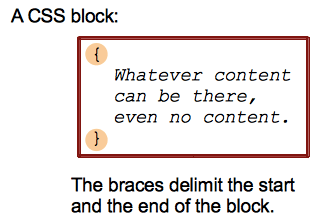
Такие блоки назÑваÑÑÑÑ Ð±Ð»Ð¾ÐºÐ°Ð¼Ð¸ обÑÑвлений, и обÑÑÐ²Ð»ÐµÐ½Ð¸Ñ Ð² ниÑ
ÑазделÑÑÑÑÑ ÑоÑкой Ñ Ð·Ð°Ð¿ÑÑой, ';' (U+003B SEMICOLON). Ðлок обÑÑвлений Ð¼Ð¾Ð¶ÐµÑ Ð±ÑÑÑ Ð¿ÑÑÑÑм, Ñ.е. не ÑодеÑжаÑÑ Ð¾Ð±ÑÑвлений. ÐÑÐ¾Ð±ÐµÐ»Ñ Ð¼ÐµÐ¶Ð´Ñ Ð¾Ð±ÑÑвлениÑми игноÑиÑÑÑÑÑÑ. ÐоÑледнее обÑÑвление блока не нÑждаеÑÑÑ Ð² ÑоÑке Ñ Ð·Ð°Ð¿ÑÑой, Ñ
оÑÑ ÑÑиÑаеÑÑÑ Ñ
оÑоÑим Ñоном добавиÑÑ ÐµÑ Ð´Ð»Ñ Ñого, ÑÑÐ¾Ð±Ñ Ð½Ðµ допÑÑÑиÑÑ ÑпÑÑение ÑÑого знака пÑи добавлении дÑÑгого обÑÑÐ²Ð»ÐµÐ½Ð¸Ñ Ð² бÑдÑÑем.
ÐÑимеÑание: СодеÑжимое блока обÑÑвлений CSS, Ñ. е. обÑÑвлениÑ, ÑазделÑннÑе ÑоÑкой Ñ Ð·Ð°Ð¿ÑÑой. Ðлок обÑÑвлений Ð¼Ð¾Ð¶ÐµÑ Ð±ÑÑÑ Ð¿Ð¾Ð¼ÐµÑÑн внÑÑÑи аÑÑибÑÑа style HTML-докÑменÑа без ÑигÑÑнÑÑ Ñкобок.
CSS rulesets
If style sheets could only apply a declaration to each element of a Web page, they would be pretty useless. The real goal is to apply different declarations to different parts of the document.
CSS allows this by associating conditions with declarations blocks. Each (valid) declaration block is preceded by a selector which is a condition selecting some elements of the page. The pair selector-declarations block is called a ruleset, or often simply a rule.

As an element of the page may be matched by several selectors, and therefore by several rules eventually containing a given property several times, with different values, the CSS standard defines which one has precedence over the other and must be applied: this is called the cascade algorithm.
ÐÑимеÑание: It is important to note that even if a ruleset characterized by a group of selectors is a kind of shorthand replacing rulesets with a single selector each, this doesn't apply to the validity of the ruleset itself.
This leads to an important consequence: if one single basic selector is invalid, like when using an unknown pseudo-element or pseudo-class, the whole selector is invalid and therefor the entire rule is ignored (as invalid too).
CSS statements
Rulesets are the main building blocks of a style sheet, which often consists of only a big list of them. But there is other information that a Web author wants to convey in the style sheet, like the character set, other external style sheets to import, font face or list counter descriptions and many more. It will use other and specific kinds of statements to do that.
A statement is a building block that begins with any non-space characters and ends at the first closing brace or semi-colon (outside a string, non-escaped and not included into another {}, () or [] pair).

There are different kinds of statements:
- Rulesets (or rules) that, as seen, associate a collection of CSS declarations to a condition described by a selector.
- At-rules that start with an at sign, '
@' (U+0040 COMMERCIAL AT), followed by an identifier and then continuing up the end of the statement, that is up to the next semi-colon (;) outside of a block, or the end of the next block. Each type of at-rules, defined by the identifier, may have its own internal syntax, and semantics of course. They are used to convey meta-data information (like@charsetor@import), conditional information (like@mediaor@document), or descriptive information (like@font-face).
Any statement which isn't a rule or an at-rule is invalid and ignored.
There is another group of statements, the nested statements, these are statements that can be used in a specific subset of at-rules, the conditional group rules. These statements only apply if a specific condition is matched: the @media at-rule content is applied only if the device on which runs the browser matches the expressed condition; the @document at-rule content is applied only if the current page matches some conditions, and so on. In CSS1 and CSS2.1, only rulesets could be used inside a conditional group rules. That was very restrictive and this restriction was lifted in CSS Conditionals Level 3. Now, though it still is experimental and not supported by every browser, a conditional group rules can contain a wider range of content, rulesets but also some, but not all, at-rules.
СмоÑÑиÑе Ñакже
- ÐлÑÑевÑе конÑепÑии CSS
- СинÑакÑÐ¸Ñ CSS
- @-пÑавила
- комменÑаÑии
- ÑпеÑиÑиÑноÑÑÑ
- наÑледование
- блоÑÐ½Ð°Ñ Ð¼Ð¾Ð´ÐµÐ»Ñ
- ÑÐµÐ¶Ð¸Ð¼Ñ ÐºÐ¾Ð¼Ð¿Ð¾Ð½Ð¾Ð²ÐºÐ¸
- модели визÑалÑного ÑоÑмаÑиÑованиÑ
- Ð¡Ñ Ð»Ð¾Ð¿Ñвание оÑÑÑÑпов
- ÐнаÑениÑ
- СинÑакÑÐ¸Ñ Ð¾Ð¿ÑÐµÐ´ÐµÐ»ÐµÐ½Ð¸Ñ Ð·Ð½Ð°Ñений
- СокÑаÑÑннÑе ÑвойÑÑва
- ÐамеÑаемÑе ÑлеменÑÑ